
 James

Act quickly! Blot the area with a clean cloth or paper towel to absorb as much moisture as possible. Press down firmly, but avoid rubbing, as this can push the liquid deeper into the fibres.
Next, create a simple cleaning solution by mixing equal parts white vinegar and water in a spray bottle. This combination neutralises odours and breaks down the stain. Spray the affected area generously, then let it sit for about 5 to 10 minutes for maximum effect.

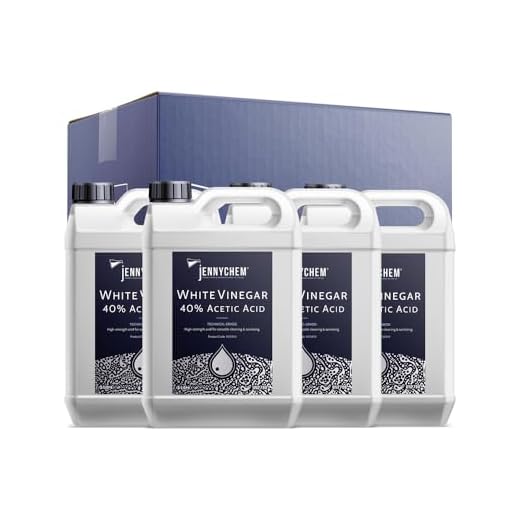

Afterwards, blot the area again with a cloth, continuing until the stain lifts. For persistent marks, sprinkle baking soda over the damp area once dry. This will absorb any lingering smell. Leave it for several hours–or overnight–before vacuuming it up.
Lastly, consider using enzymatic cleaners specifically designed for pet messes. These products contain enzymes that break down organic materials, ensuring complete removal of odours and stains. Follow the instructions on the label for the best results.
Steps to Resolve Canine Accidents on Flooring
Immediately absorb the liquid with paper towels or a clean cloth. Apply pressure to soak it up, avoiding rubbing, which can spread the stain.
After the initial clean-up, prepare a solution of equal parts white vinegar and water. Dampen a cloth with this mixture, blot the area, and let it sit for a few minutes. Vinegar neutralises odours and helps break down the stain.
Next, sprinkle baking soda over the treated area, allowing it to sit for 15-20 minutes. This will aid in absorbing any lingering scents. Vacuum the residue thoroughly.
For persistent marks, consider using an enzymatic cleaner specifically designed for organic stains. Follow the instructions on the label for best results. These products break down the components of the stain, making it easier to remove.
After cleaning, ventilate the area to help with drying and to further minimise any remaining odour. Fresh air can assist in neutralising any scents that might linger.
Monitor your pet for signs of accidents in the same spot. If it becomes a recurring issue, consult a veterinarian to rule out any underlying health concerns.
Identifying the Type of Carpet for Proper Treatment
First, determine the material of your flooring. Wool, nylon, polyester, and olefin each require different approaches. For instance, wool is more absorbent and may need gentle methods to avoid damage. Always check the care label or consult the manufacturer if you’re unsure.
Wool carpets are soft and luxurious but can stain easily. Blot any liquid immediately and use a mild detergent mixed with water to clean the area. Avoid hot water, as it can set the stains.
Nylon is durable and stain-resistant, making it easier to manage minor accidents. You can use a vinegar and water solution for cleaning. This material can handle a bit more scrubbing without losing its texture.
Polyester is similar to nylon but tends to be less resilient. Use a gentle approach when cleaning, as harsh chemicals can damage the fibres. A mix of baking soda and water can effectively neutralise odours.
Olefin is often used in indoor-outdoor carpets. It’s resistant to moisture and stains. A simple soap and water solution will suffice for cleaning, and it’s usually more forgiving than other materials.
Lastly, remember the importance of regular maintenance. Keeping your flooring clean not only helps manage accidents but also prolongs its life. While you’re caring for your space, don’t forget to consider the health of your furry friend. Feeding them the best dog food for old labradors can contribute to better digestion and less frequent issues.
Gathering Necessary Cleaning Supplies
For effective cleanup, gather the following items before getting started:
- Absorbent cloths or paper towels: These are crucial for soaking up liquids quickly.
- White vinegar: A natural deodoriser and stain remover that works wonders on various surfaces.
- Baking soda: This acts as a neutraliser and helps to eliminate lingering odours.
- Dish soap: A mild detergent that can be used to break down stains without damaging fibres.
- Spray bottle: Ideal for mixing vinegar and water for easy application.
- Enzyme cleaner: Look for a product specifically designed to break down organic stains and smells.
- Rubber gloves: Protect your hands while handling cleaning solutions.
- Soft-bristled brush: Perfect for scrubbing stubborn stains without harming the material.
- Vacuum cleaner: A must-have for removing any residue after cleaning.
Preparing Your Cleaning Solution
Mix equal parts of white vinegar and water in a spray bottle for a powerful solution. If using an enzyme cleaner, follow the manufacturer’s instructions for dilution. Having these supplies ready will streamline the process and enhance your chances of success.
Additional Tips
- Test any cleaning solution on a small, inconspicuous area first to ensure it won’t discolour the fibres.
- Consider keeping these supplies in a designated cleaning caddy for easy access during emergencies.
Blotting the Area to Absorb the Urine
Immediately grab a clean, dry cloth or paper towel. Gently press it onto the affected spot, allowing it to soak up the liquid. Avoid rubbing, as this can push the moisture deeper into the fibres. It’s a good idea to use multiple towels if the area is extensive; replace them as they become saturated.
Try to work from the outside edges of the stain towards the centre. This technique prevents spreading and helps contain the mess. Keep blotting until no more moisture is being absorbed. Depending on the severity, you may need to repeat this process several times.
If you’re dealing with a thicker fabric or a plush rug, consider using a weighted object on top of the towel to encourage absorption. Just ensure that it doesn’t damage the material underneath. Once you feel confident that the majority of the liquid is gone, you can move on to the next cleaning steps.
Applying a Suitable Cleaning Solution
For optimal results, choose a cleaning solution that targets odours and stains effectively. Enzymatic cleaners are highly recommended due to their ability to break down organic matter. Look for products specifically formulated for pet messes, as they contain enzymes that neutralise the smell and eliminate stains.
In my experience, mixing a homemade solution can also work wonders. Combine equal parts of white vinegar and water, and add a teaspoon of dish soap. This mixture will not only help remove discolouration but will also assist in neutralising the scent.
| Cleaning Solution | Ingredients | Effectiveness |
|---|---|---|
| Enzymatic Cleaner | Specific enzymes for pet stains | High |
| Homemade Vinegar Solution | White vinegar, water, dish soap | Moderate to High |
| Baking Soda Paste | Baking soda and water | Moderate |
After applying the chosen solution, allow it to sit for at least 10 to 15 minutes. This waiting period lets the product penetrate the fibres and tackles the problem effectively. After that, blot the area again with a clean cloth to lift away the residue. Rinse the spot with cold water, then blot it dry to finish the process.
Neutralising Odours After Cleaning
To effectively eliminate lingering smells after addressing the stain, consider using natural ingredients that break down odour compounds. One of my favourite solutions is a mix of white vinegar and water. Combine equal parts in a spray bottle and lightly mist the area. Allow it to sit for 10-15 minutes before blotting with a clean cloth.
Another method involves baking soda. After cleaning, sprinkle a generous amount over the affected area and let it sit overnight. This absorbs any residual scents. Vacuum the next day to remove the baking soda.
For those stubborn odours, an enzymatic cleaner can be a game changer. These products contain bacteria that digest organic matter, effectively neutralising smells. Follow the manufacturer’s instructions for the best results.
- White vinegar and water mix: Spray, wait, blot.
- Baking soda: Apply, wait overnight, vacuum.
- Enzymatic cleaners: Use per instructions for maximum effectiveness.
After applying any of these solutions, ensure proper ventilation in the area. Open windows or use fans to circulate air, which aids in further eliminating any remaining odours.
Regular maintenance is key. Clean up accidents immediately and consider using an air purifier to keep your space fresh. Keeping a clean environment can help prevent future incidents and maintain a pleasant atmosphere in your home.
Preventing Future Accidents on the Carpet
Establishing a consistent routine for bathroom breaks can drastically minimise mishaps indoors. I realised this after a few unfortunate incidents when my furry friend was a pup. Taking him out after meals and naps created a predictable schedule, making it easier for him to understand when and where he should relieve himself.
Positive Reinforcement
Rewarding good behaviour is key. Every time my four-legged companion does his business outside, I make sure to shower him with praise and treats. This encourages him to keep up the great work. It’s amazing how quickly he learned that going outside results in positive reinforcement.
Limit Access to Carpets
When I first got my canine companion, I noticed he had a penchant for certain areas of the house. Blocking off access to rooms with carpets while he was still learning helped to prevent any accidents. Baby gates worked wonders, allowing him to roam freely in pet-friendly spaces while keeping the carpets safe from potential messes.


