
 James

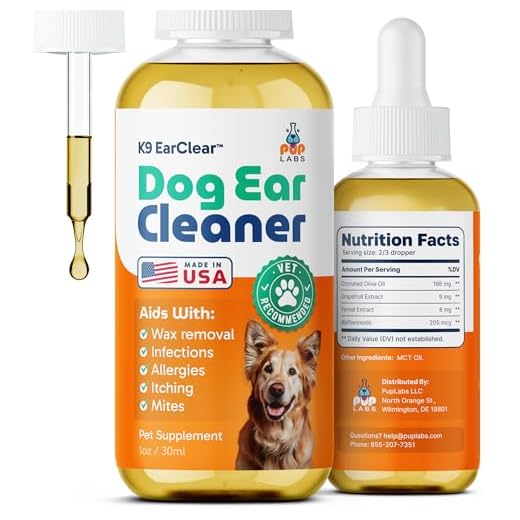
If you notice your furry companion scratching their head excessively or shaking it more than usual, it’s time to take action. Cleaning the sensitive area should be your first step. Use a vet-approved cleanser specifically designed for the delicate skin found around the auditory canal. Make sure to follow the instructions carefully to avoid causing further discomfort.
Regular inspections are key. Gently lift the flap and check for any signs of redness, swelling, or discharge. A quick glance can help you spot issues early on. If you notice anything unusual, it’s wise to consult a veterinarian for a thorough examination.
Diet plays a significant role too. High-quality food can help maintain skin health and reduce the chance of allergic reactions. Incorporating omega fatty acids can bolster your pet’s immune system and promote overall well-being. It’s surprising how much a balanced diet can impact their comfort.

Additionally, keeping the environment clean can prevent unwanted irritants. Regularly wash bedding and avoid exposing your companion to excessive dust or pollen. These small adjustments can lead to significant improvements in their quality of life.
Finally, be mindful of grooming routines. Regular brushing not only helps keep their coat healthy but also allows you to monitor their skin condition. A good grooming session can be a bonding experience and a chance to check for any potential issues.
Steps to Alleviate Your Pet’s Discomfort
Begin with a gentle inspection of the affected area. Use a flashlight to check for any foreign objects or excessive wax build-up. If you spot something unusual, avoid attempting to remove it yourself; instead, consult a veterinarian.
Cleaning the canal is crucial. Dampen a cotton ball with a vet-approved solution and wipe the outer portion carefully. Avoid inserting anything deep into the canal as this can cause further damage.
Natural Remedies to Consider
Look into using diluted apple cider vinegar. This can help restore pH balance and fight mild infections. Mix one part vinegar with one part water, and apply a few drops to the outer canal while ensuring it doesn’t go too deep.
Consider probiotics as well. They can support your furry friend’s immune system and help combat any yeast or bacterial overgrowth. Consult your vet for suitable products.
Signs That Require Professional Attention
If your pet exhibits persistent scratching, redness, swelling, or foul odour, seek veterinary advice promptly. These symptoms may indicate a more serious issue that needs medical intervention. Early action can prevent complications and ensure your companion remains healthy and comfortable.
Identifying Symptoms of Ear Discomfort in Canines
Pay close attention to signs like frequent head shaking or tilting. This behaviour often indicates something is bothering the canine’s auditory region. If you notice them rubbing their head against furniture or using their paws excessively, it’s a strong signal that all is not well.
Watch for any discharge from the auditory canal, particularly if it appears discoloured or has an unusual smell. Redness or swelling around the entrance can also suggest irritation or infection. Additionally, an increase in vocalisation, such as whining or yelping when the area is touched, can indicate pain or discomfort.
Behavioural Changes
A shift in mood, such as increased irritability or lethargy, can accompany physical symptoms. If your furry friend is less enthusiastic about playtime or seems withdrawn, it may be related to discomfort in their auditory region. Keep an eye on their appetite too; a decline in eating habits might point to underlying issues.
Temperature and Sensitivity
Gently feel the surrounding area; if it’s warmer than usual, that can be a sign of inflammation. The canine might also react negatively to touch, indicating sensitivity. Observing these symptoms closely will aid in determining the severity of the situation and whether a visit to the veterinarian is necessary.
Common Causes of Ear Irritation in Dogs
Allergies are a primary factor. Many pets react to environmental allergens like pollen, dust mites, or certain foods. Identifying the specific trigger can help in managing these reactions. Regularly monitoring your canine’s diet and surroundings can provide insights into potential allergens.
Infections, both bacterial and fungal, often lead to discomfort. Moisture trapped in the ear canal, frequently from swimming or bathing, can create an ideal environment for these microorganisms. Keeping the ears dry after exposure to water is essential.
Parasites, such as ear mites, are another common issue. These tiny creatures cause significant irritation and can lead to secondary infections if not addressed. Regular check-ups can help in early detection and treatment.
Foreign objects, like grass seeds or small stones, can become lodged in the ear canal, leading to pain and inflammation. If your pet is frequently shaking its head or scratching at its ears, a closer examination may be necessary.
Underlying health conditions, such as hormonal imbalances or autoimmune disorders, can also contribute to sensitivities. If irritation persists despite home care, a visit to the vet is advisable to rule out these possibilities.
Finally, poor ear hygiene can exacerbate problems. Regular cleaning with vet-recommended solutions helps prevent the build-up of wax and debris, reducing the likelihood of infections and discomfort.
Home Remedies for Mild Ear Irritation
Mix equal parts of white vinegar and water. Use a cotton ball to gently wipe the interior of the canal. This solution helps restore the natural pH, reducing discomfort.
Another option is to create a soothing rinse with chamomile tea. Brew a strong cup, allow it to cool, and use a dropper to apply a few drops into the affected area. Chamomile has anti-inflammatory properties that can ease irritation.
Aloe vera gel can provide relief as well. Apply a small amount to the outer area, avoiding the inner canal. Its soothing nature helps calm redness and inflammation.
Consider using a warm compress. Soak a clean cloth in warm water, wring it out, and gently place it against the outer ear for a few minutes. This can alleviate discomfort and promote relaxation.
For moisture control, sprinkle a small amount of cornstarch in the ear area after cleaning. This can help absorb excess moisture that may contribute to irritation.
Finally, a few drops of olive oil can be beneficial. It moisturises the skin and provides a protective barrier. Just make sure to use it sparingly and not to introduce too much into the canal.
When to Consult a Veterinarian for Ear Issues
If you notice persistent scratching, shaking of the head, or a foul odour emanating from your pet’s auditory passage, seeking veterinary advice is crucial. These signs often indicate an underlying infection or a more serious condition that requires professional intervention.
Pay attention to the following symptoms that warrant immediate consultation:
| Symptom | Action |
|---|---|
| Redness or swelling inside the canal | Schedule an appointment as this may suggest inflammation or infection. |
| Excessive discharge | Get a check-up; it could be a sign of an ear infection or mites. |
| Unusual behaviour (agitation or lethargy) | Consult a vet; changes in behaviour can indicate discomfort or pain. |
| Loss of balance or coordination | Seek immediate veterinary care, as this may indicate a more serious issue. |
In addition, if home remedies do not yield improvement within a few days, or if symptoms worsen, do not hesitate to reach out for professional help. Regular vet check-ups can also aid in early detection of potential issues. Don’t overlook the impact of nutrition on overall health; consider exploring options like best dry dog food for puppies with sensitive stomachs to ensure your pet’s diet supports their well-being.
Preventative Measures to Avoid Future Ear Irritation
Regular cleaning of the auditory canals can greatly reduce discomfort. Use a vet-approved cleanser and cotton balls to gently wipe away dirt and wax. Never insert anything deep into the canal.
Monitoring your companion’s environment is key. Keep them away from areas with excessive moisture, as dampness can lead to infections. After swimming or bathing, ensure the ears are thoroughly dried.
A balanced diet contributes to overall health, including skin and fur condition. Consult with your vet to ensure your furry friend receives high-quality food that meets their nutritional needs.
Check for allergens that could provoke sensitivities. Common culprits include pollen, dust mites, and certain food ingredients. If you notice persistent issues, consider an allergy test.
Regular vet check-ups can catch potential issues early. Schedule annual visits for thorough examinations, especially if your pet is prone to sensitivities.
- Maintain a clean coat to prevent debris accumulation.
- Trim hair around the ears to improve air circulation.
- Limit exposure to irritants such as smoke or strong perfumes.
Using protective gear, like doggy ear muffs during outdoor activities, can shield sensitive ears from harsh weather and loud noises.
Lastly, observe behaviour closely. Any signs of discomfort should prompt immediate attention to prevent escalation of issues.


